The Ultimate Guide to Solo Backpacking in Europe
There’s something magical about exploring Europe with just a backpack, a map, and a fearless spirit. Whether you’re wandering through the cobblestone streets of Prague, hiking the Alps, or sipping espresso at a tiny café in Italy — solo backpacking in Europe is an experience that changes you forever.
This ultimate guide will help you plan your dream solo backpacking trip across Europe — from choosing the best routes and saving money, to staying safe and connecting with travelers from around the world.
Why Solo Backpacking in Europe is Special
Europe is the perfect destination for solo travelers. With its excellent public transportation, friendly locals, and diverse cultures packed into one continent, it’s both safe and exciting. Each country has its own rhythm — France’s romantic vibes, Spain’s energetic streets, and Switzerland’s calm mountain villages — offering something for every type of traveler.
When you travel alone, you discover independence, courage, and the ability to embrace the unknown. You set your own pace, follow your instincts, and create memories that are uniquely yours.
Planning Your Route Across Europe
Before you book your ticket, plan your route wisely. The beauty of Europe is how easily you can hop between countries.
Here are some popular routes to inspire your journey:
- Western Europe Classic: France → Belgium → Netherlands → Germany
- Eastern Europe Explorer: Poland → Czech Republic → Hungary → Romania
- Southern Sunshine Trail: Spain → Portugal → Italy → Greece
- Northern Adventure: Denmark → Sweden → Norway → Finland
Using Eurail Pass or FlixBus helps you travel cheaply between cities and countries. Most backpackers mix trains, buses, and budget flights for the best experience.
Budgeting and Saving Money
Solo backpacking doesn’t have to be expensive. Here’s how you can make the most of your money:
- Stay in hostels: They’re cheap, social, and often include free breakfast.
- Cook your meals: Many hostels have shared kitchens — shop local and save.
- Use budget airlines: Ryanair, EasyJet, and WizzAir often have €10 tickets if booked early.
- Travel overnight: Save on hotel costs by taking night trains or buses.
- Free walking tours: Most major cities offer donation-based tours that are perfect for solo travelers.
💡 Pro Tip: Apps like Rome2Rio and Omio can help you compare all transportation options easily.
Packing Essentials for Solo Backpackers
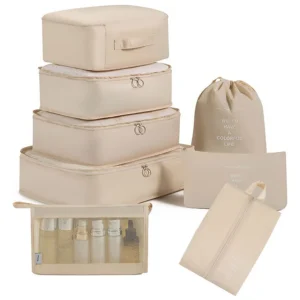
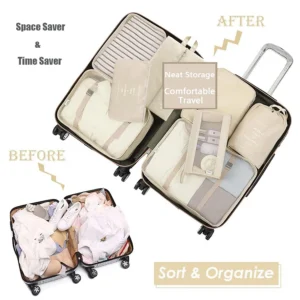
Travel light — that’s the golden rule. Here’s what every solo backpacker in Europe should pack:
- A sturdy, waterproof backpack (40–50L is perfect)
- Comfortable walking shoes
- Lightweight clothes (mix layers for various climates)
- Portable charger and universal adapter
- Reusable water bottle
- Basic first aid kit
- Padlock for hostel lockers
- Travel insurance documents
Keep important documents in both digital and physical formats. A small waist pouch or hidden money belt helps you stay organized and safe.
Where to Stay: Hostels, Couchsurfing & Beyond
Europe is famous for its backpacker-friendly accommodation.
- Hostels: The heart of the backpacking culture. You’ll meet fellow travelers, join city tours, and often get insider local tips.
- Couchsurfing: Stay with locals for free and experience real culture.
- Budget hotels or Airbnbs: Great for a few nights of privacy.
Look for hostels on trusted platforms like Hostelworld, Booking.com, or Agoda — filter by reviews and traveler ratings.
Meeting People While Traveling Alone
Solo doesn’t mean lonely. Europe is full of friendly travelers and locals. You’ll meet amazing people at hostels, trains, cafés, or even during walking tours.
Join travel groups, language exchange meetups, or Facebook backpacker communities before you arrive in a new city. These communities often organize group dinners, hikes, and cultural events.
Remember — the people you meet often become lifelong friends and part of your travel story.
Staying Safe on the Road
Europe is generally safe, but being aware helps you travel smart:
- Avoid leaving valuables unattended in hostels or public places.
- Keep copies of your passport and important documents online.
- Don’t share travel details with strangers.
- Use trusted apps for transport and accommodation.
- Stay alert in crowded tourist areas where pickpocketing is common.
Trust your instincts — if something feels off, walk away.
Best Time to Backpack Europe
Europe is amazing year-round, but your experience depends on the season:
- Spring (April–June): Perfect weather, fewer crowds.
- Summer (July–August): Festival season but more expensive.
- Autumn (September–October): Cool, colorful, budget-friendly.
- Winter (November–March): Magical for Christmas markets and snow adventures.
Each season brings its own beauty — from summer sunsets in Santorini to snowy streets in Prague.
Useful Apps for Solo Travelers
Make your trip smoother with these must-have apps:
- Google Maps – Navigation and offline maps
- Rome2Rio – Compare travel routes
- Hostelworld – Book cheap stays
- Duolingo – Learn basic local phrases
- TripIt – Organize your itinerary
- SafetyWing – Affordable travel insurance
- Meetup – Find local hangouts and activities
Final Thoughts: Embrace the Freedom
Solo backpacking in Europe is more than just a trip — it’s a personal journey. You’ll learn to rely on yourself, trust strangers, and appreciate small moments — the sunrise from a hostel rooftop, a stranger’s kindness, or a quiet walk through an ancient city.
Don’t overplan. Let spontaneity lead you. Sometimes, the best stories come from the detours you didn’t expect.
Pack your courage, keep an open heart, and Europe will reward you with memories that last a lifetime.